What's Everyone Talking About Patio Doors Repairs Today
Patio Doors Repairs Patio doors offer homeowners natural light and fresh clean air. They also enhance the value of a home. However, over time they can develop issues that require immediate attention. Understanding the way patio doors operate will help homeowners communicate with a contractor about the problems they encounter. Here are some of the most frequent patio door problems: Rollers that aren't aligned properly Sometimes the sliding patio door will get stuck and it's not simple to get it open once more. Most of these non-cooperative sliding patio doors can be repaired easily by a little oiling and cleaning, unless a structural problem is present. The most frequent cause is dirt in the lower track, which may cause the rollers to be pushed against the track below and cause them to misalign. In this instance you'll need to wash the track and apply a light coating of lubricant to let the rollers move easily. Misalignment can also occur due to damage or wear in the hinges that connect the door panels which house a portion of the rollers; springs that are either extension or torsion and cables that raise the door. When worn or damaged, these components can affect roller alignment, causing resistance and other problems such as a heavier door or higher energy bills. Regular maintenance checks and periodic professional inspections can help ensure that these components work harmoniously to ensure that your patio door is operating smoothly. To verify the alignment between rollers, set up the crow's feet at one end of the track. employ a tramming stick to sweep across both rollers, recording the distance that each travels. Repeat the process at the opposite end of the track, then divide by 2 to get a measurement of the parallelism of the rollers (Photo 1). This method isn't as precise as using a pi tape to measure the length directly. However, it's faster and easier than using a carpenter's or level to measure the length of each rail. You can also check the alignment of the rollers by taking off the head stop. This is an elongated plate that is located in the bottom of the door jamb. It stops the rollers. This will require removing any grilles or shades that can be removed, and if the door is heavy, you should seek assistance with this step. After taking off the head stop, remove the head track adjusters screws by securing them with the screwdriver. After reinstalling your assembly, align each roller adjustment screw to its access hole, and tapping it with the hammer. Tracks that are damaged or dirty Patio doors that slide can serve as magnets for dirt, debris and other elements from outside. They can also be susceptible to misalignment, as well as other issues that require professional repair. To prolong the life of your patio doors, it's important to identify and address these issues as soon as possible. One of the main causes for sliding patio doors to fail is dirty tracks. Over time, dirt food particles, pet hair and yard debris could get trapped in the tiny spaces of your door's track, causing the door to become stuck or become difficult to open. It is recommended to vacuum and clean the tracks of your patio doors at least once a month to avoid problems like this. Once you've removed all the loose debris then you can use a non-abrasive household cleaning solution or warm soapy water to clean down your patio door tracks. If you notice that certain areas of the track are difficult to clean, use a butter knife or toothbrush to clean these tiny spaces. In addition to cleaning the tracks, you should lubricate them regularly to prevent sliding doors from squeezing or becoming difficult to open. If you have Panda patio doors, we suggest adding silicone spray to your bottom track regularly. You can also rub paraffin wax on the track to enhance the glide. Another common issue that can affect your sliding patio door is a air leak or draft. This may occur when the weather stripping on your sliding patio door is worn out or damaged. This can result in an opening between the frame and door that allows air to come in and reduces the efficiency of your energy. Ensure that your weather stripping is in good shape and replace it if needed. Over time your patio door will be subject to normal wear and tear. These problems are usually not a sign of an urgent issue. Small repairs can prolong the life of your patio door. Consult a professional for any problems as soon as they appear to prevent costly repairs in the future. Warped or cracked glass A patio door that is damaged or sagging is a real eye-sore, and it could pose an security risk. It can also permit unwanted animals to enter your home, causing the temperature to fluctuate. These issues are simple to fix if they are caught early. A quick glance at the glass will help you determine what type of repairs are required. Generally, cracks in the glass are the result of stress or impact. These are a little more difficult to fix than simple surface chips. A professional will likely need to re-lead the panel. This will require removal of the glass and cleaning, as well as replacing any broken pieces. For this reason, a professional will need accurate documentation of the piece as it was originally viewed to aid in comparing the new glass with the old one. Plastic epoxy can be used to fill a crack. It is available in a hardware store or in the home improvement section. A professional will usually use an iron soldering to melt the plastic then apply it to the crack in the glass. After it has been cool, the professional can clean any excess. If the crack is not too big it is possible to repair the glass using clear sealant. This kind of product can be purchased at any hardware store. However, RepairMyWindowsAndDoors is important to thoroughly dry the cracked area prior to applying the sealant. This will ensure that the repair is successful. A hair dryer or any other fan can be used to speed up this process. 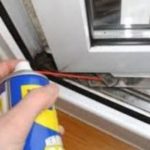 Weatherstripping damaged A worn out weather stripping is not just ugly and a security risk, but it also allows outside air to enter and heat or cold to escape. You can save money by replacing the weather stripping inside your home. First, ensure that you have all the necessary tools and materials. This includes a replacement weather stripping kit, or caulk sealant or adhesive (depending on the repair method), scissors, pliers, utility knife, and a pair of gloves or protective goggles. Remove the old weather stripping, by cutting through an end piece and pulling up using any screws that are attached, if appropriate. Remove any remaining pieces using pliers and a prybar. Begin by measuring the gap around the door frame. The measurements can be used to determine the size of weather stripping you require. Be sure to leave a bit of extra length so you can adjust the fit later. Once you've found the perfect size, apply the adhesive backing and press it against the frame. If you wish you would like to use a small nail to secure the frame to the wall. Apply wood filler onto the frame to cover any holes or divots. Allow the filler to dry completely before applying any paint. In general, it is best to apply oil-based paint on the filler, however latex paint will work too. Finally, be sure to clean your tracks and sliding doors regularly. This will avoid future issues like sticking. Maintaining regular maintenance and repairs to your patio doors will ensure they are practical, attractive, and energy-efficient. You will save money and enjoy the outdoors while doing it. Enjoy your home improvements!